Modi International" refers to Modi International, a prominent manufacturer, supplier, and contractor of fire safety systems based in New Delhi. They are a major player in the Indian fire safety industry, providing comprehensive equipment for schools (like the Modi Group of Schools), hospitals, and industrial complexes.
Below is a detailed breakdown of the fire-fighting equipment and systems offered by Modi International, categorized by their function in fire prevention and suppression.
1. Fire Suppression Systems (Active Defense)
Modi International specializes in the hardware used to physically extinguish a fire once it has been detected.
Fire Extinguishers: They manufacture and supply a wide range of portable and wheeled extinguishers under brands like Lifeguard.
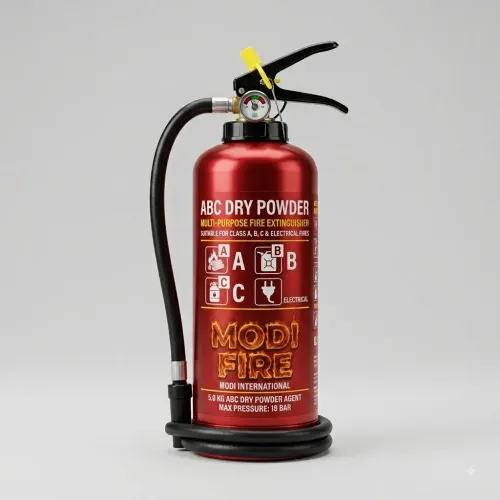
ABC Dry Powder: Multipurpose units for wood, liquid, and electrical fires.
CO2 Extinguishers: Essential for server rooms and electrical panels (leaves no residue).
Mechanical Foam: Used primarily for Class B (flammable liquid) fires.
Clean Agent: Eco-friendly, non-conductive gas extinguishers for sensitive high-tech equipment.
Automatic Sprinkler Systems:
Includes Pendent, Upright, and Sidewall sprinkler heads.
Modi provides full installation services, including the network of pressurized piping and Fire Alarm Check Valves.
Fire Hydrant Systems:
Landing Valves: Gunmetal or stainless steel valves for floor-level water access.
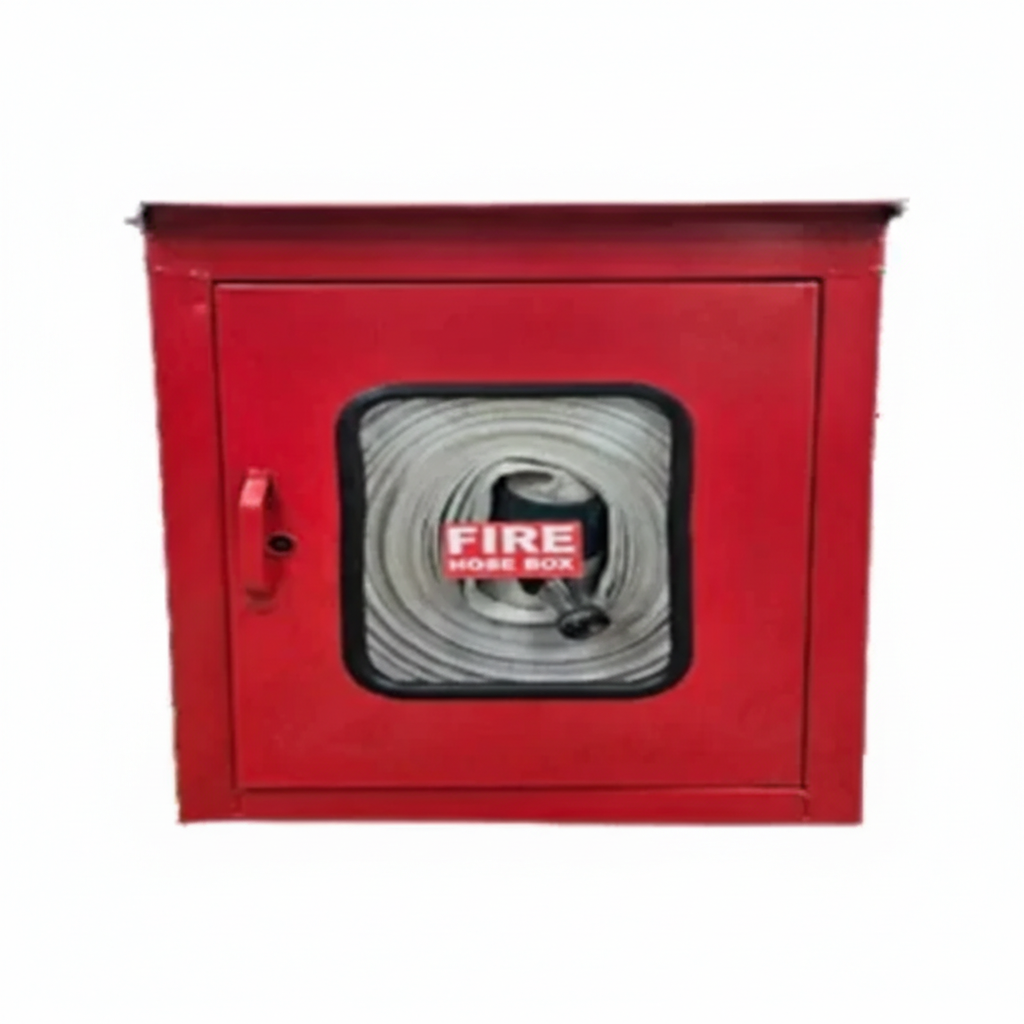
Hose Reels & Boxes: Indian Standard (IS 884) first-aid hose reels and double-door hose boxes for storing delivery hoses.
Fire Brigade Connections: Two-way or four-way inlets that allow external fire engines to pump water into the building's internal systems.
2. Detection and Alarm Systems (Early Warning)
To ensure rapid evacuation, Modi International provides integrated electronic detection systems.
Smoke & Heat Detectors:
Optical Smoke Detectors: Best for detecting slow-burning, smoldering fires.
Heat Sensors: Triggered by rapid temperature rises, often used in kitchens or boiler rooms.
Fire Alarm Panels:
They offer conventional and addressable panels ranging from 2-zone to 24-zone systems.
These panels monitor all detectors and manual call points, signaling exactly where the fire is located.
Manual Call Points (MCP): * The "break glass" units placed along corridors and exit routes to allow manual triggering of the alarm.
Hooters and Sirens:
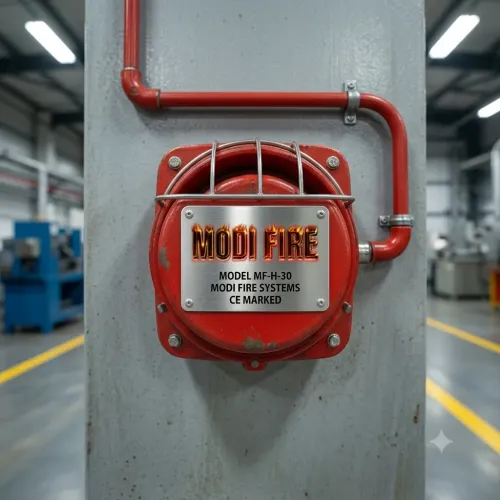
Industrial Sirens: High-decibel sirens with ranges from 0.5 km to 3 km, ensuring the alarm is heard across large campuses or industrial zones.
Hooter-cum-Flashers: Provide both audible and visual alerts for high-noise environments or for individuals with hearing impairments.
3. Passive Fire Protection & Safety Signage
Safety isn't just about water and alarms; it's also about building design and guidance.
Fire-Rated Doors: Specially constructed doors (often with a 2-hour fire rating) to compartmentalize the building and prevent the spread of smoke and flames.
Emergency & Exit Lighting:
LED Exit Signs: Glow-in-the-dark or battery-backed signs that remain visible during power outages.
Emergency Lights: High-intensity LED twin-beam lights to illuminate escape routes.
Safety Signage: "Fire Bucket" signs, evacuation maps, and "No Smoking" indicators.
4. Specialized Protection
Kitchen Suppression Systems: Automated systems designed for commercial kitchens (like school cafeterias) that trigger upon detecting high heat above cooking ranges.
Tube-Based Suppression: Often used inside electrical cabinets or engine compartments where a fire can be extinguished at the source before spreading.
Why "Modi International" Standards Matter
ISI/BIS Compliance: Most of their equipment (like the Lifeguard extinguishers) carries the IS 15683 or relevant Indian Standard marks, which is a legal requirement for fire NOCs (No Objection Certificates) in India.
End-to-End Service: They act as both a manufacturer and a contractor, meaning they design the system, supply the hardware, and handle the installation and refilling services.